Poker and Life
I like to draw parallels to life in many of the things that I do. Whether it is sports, dance, work, or relationships, drawing parallels to life is an attempt to connect things to a broader, abstract general rule that I can apply anywhere. And life is probably the biggest game I will be playing.
Poker is a very fun game. It is also fun to watch people learn poker and get their first beginner’s luck. Winning or losing a pot involves human emotions, calculations, and patience. As you grow advanced, it also brings in how much you are able to read the room and how much you are able to bluff others. The strategy you decide can reflect the strategies you are willing to use in life as well. Will you always play fair? That can work, but what about in a table of fair players? Will you always bluff? That can work, but unless the whole table is also going to bluff, you have to make sure your strategy fits the room. Over time, you get a mixed crowd, and you have to adjust.
But let’s talk about the basics of poker first. It is a game where every player gets two cards, and five cards will eventually open up on the table. The round starts with three cards, and with those three cards and your two cards, you have to make an assessment of where you stand.
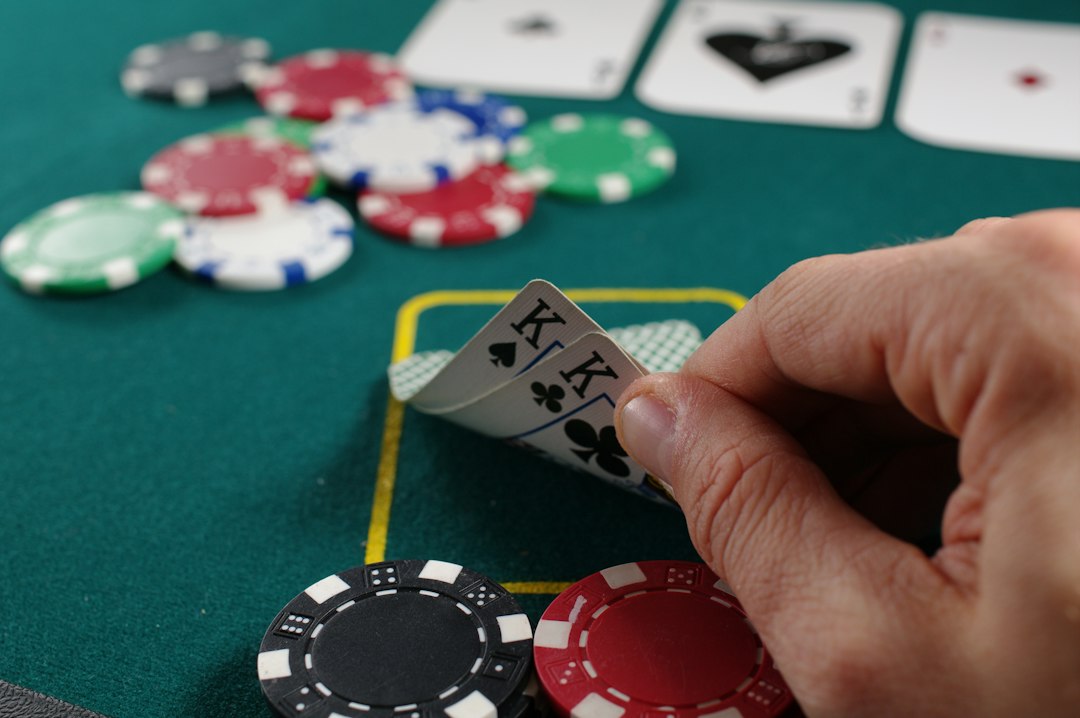
There is a hierarchy or an order of card combinations, and one sequence of cards will win over the other. For example, three of a kind—where you get three cards of the same type—will win over other combinations like a high card or a pair. If you have a sequence that is higher than the rest of the players, you will win.
The main trick, and the main fun, lies in the fact that the fourth and the fifth cards do not open at once. They only open up after the table has aligned on a price that they want to put into the pot. Every time the fourth or the fifth card is opened, players who are willing to bet that they have favorable cards and will win this round place some money to show their intent. They have skin in the game. The act of them putting in money forces others to either match the money or raise it.
In this way, players who do not have favorable cards for that round, or who do not want to play that round, can fold their cards. This essentially translates to deciding not to play that round and stopping their losses at that point in time. Whatever they have already put in the pot cannot be recovered, but they need not put in further money to stay in the round. Others continue to play. This leads to a situation where the number of players can gradually decrease when the final showdown happens—when all the cards are open and people decide who of the participating players has the best hand.
The fun parts are thinking whether the other person is bluffing or not during a round where they are calling or raising the stakes. You have to really see the patterns, understand them, and identify tells. If you really know someone, it is really fun to see them and understand how they behave. Can they control their expressions? It is just fun to interact with so many people in a game. Like what all games do, it provides you a set of constraints that you play with, and within the constraints—without breaking the rules—you have to win.
This is very much like any legal system, any society, or any form of human interactions. Life is a game and every game has rules. You have to Know The Game You Are Playing and understand the rules.
Not every round has to be won by you. You can lose a little in many of the rounds, but you have to be prepared to win big in the rounds that favor your cards. You have to be patient to reach those rounds, and you don’t have to be impatient and lose more money in the rounds where you didn’t have favorable cards. You have to be patient to identify situations that are favorable to you, and then make sure you win big in those situations.
I think that is very much like life. You have to be very patient, move slow, but be prepared to win big when the opportunities are aligned with your skills, your situations, or whatever cards life has dealt to you.
You either have some capital or not when you start. You come to the poker table with a certain small set of capital that you’re willing to lose, but if it grows, you’re happy. Within that stake, it is really important that you’re able to stay in the game for longer. You have to be patient and not overspend on the rounds that are not favorable to you, but you also have to continue to stay in the game because, in the fourth or the fifth card, life or the poker game can throw some good fortune your way. If you’re not even in the game, you cannot capture that good fortune. So you do not have to fold early, but you also have to fold when the odds are extremely against you. And you must stay in the game when the odds are in your favor.
You will never have a deterministic outcome, and there is no single style of playing. Someone can win their way by bluffing very well, or someone can win their way by just playing very fairly all the time. Strategies will vary from player to player. There is no optimal strategy. There would be an optimal strategy for playing against completely predictable systems. But a deck of cards being shuffled gives you a very random set of outcomes. You can only calculate the odds; you can never be completely deterministic.
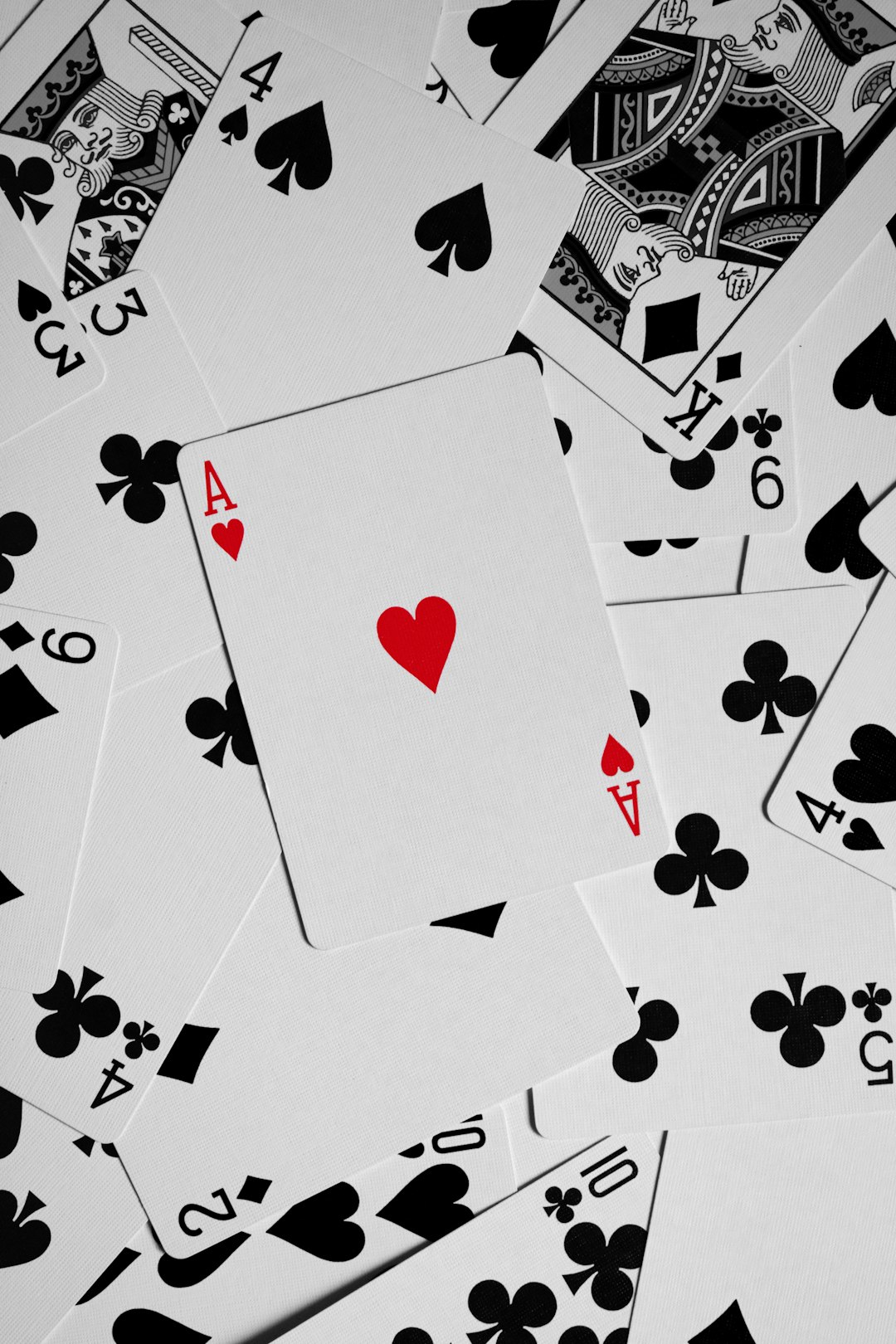
Yes, in some cases, the first three cards and the two cards in your hand can give you a very clear edge. But even in that case, you can mess it up by putting a very high stake in the game, allowing people to easily identify that given you play so safe, you must definitely have a very clear hand, and they can decide to fold rather than put in money. You have to be very subtle because it’s not just about you, it’s about all the other participating players as well.
This is also what makes it very fun, because life is also very multivariate and depends on the participating players. In some games, like Ludo or Tambola, the participating players do not bring much to the game’s outcome. You just roll the dice or strike out numbers based on the outcome of a dice and go by the motions. But in poker, the participating players have a lot of control. They can fold, match, or raise. They can stick to a certain strategy and then just change it. They can try to influence you or change your emotional state.
There is so much to it, and it is a lot of fun. I always enjoy playing. I just had this game night with my friends on Friday and I was thinking about all of this while playing the game. I hope I’ll continue to enjoy poker for many more years to come.